Science and Tech: The 15 Topics AFCAT Won't Stop Asking
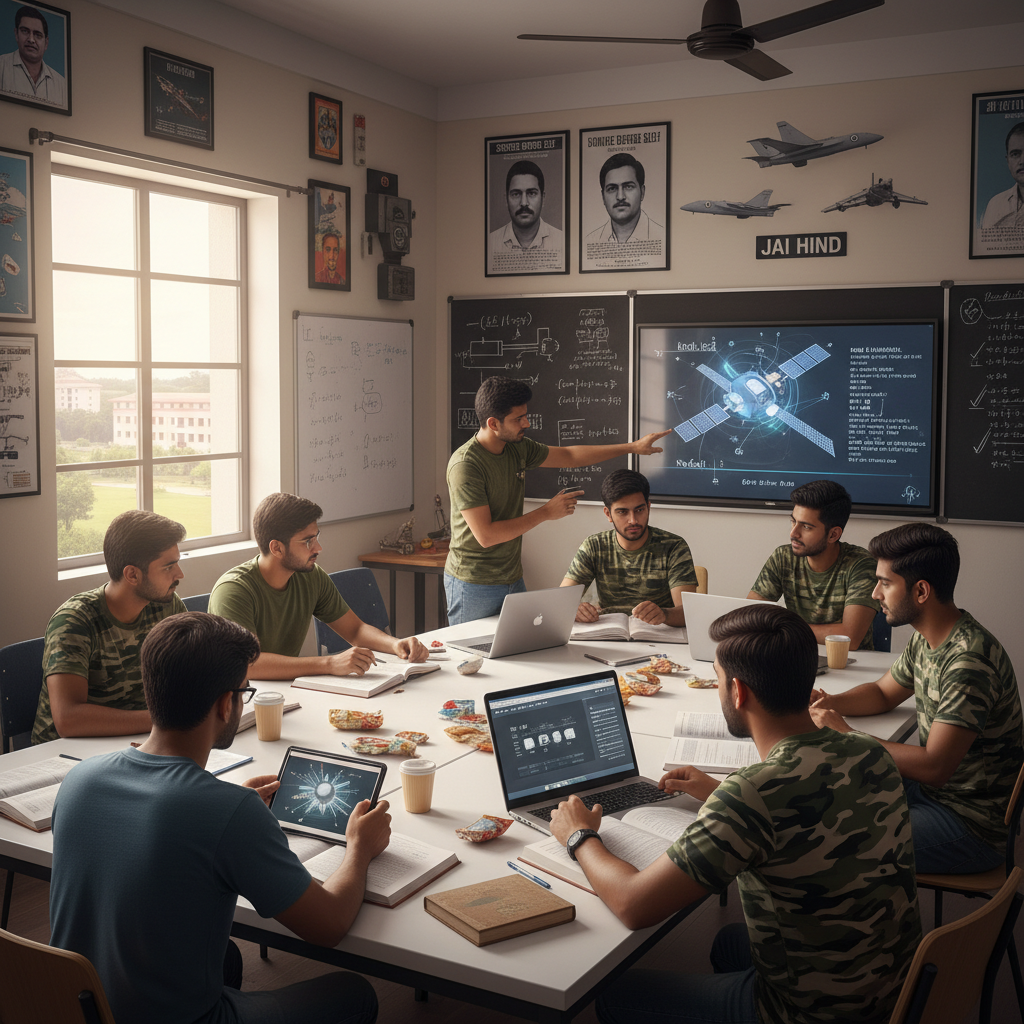
Discover the 15 vital Science and Technology topics that AFCAT consistently tests. Equip yourself with preparation strategies, key concepts, and expert tips for success.
Introduction
The AFCAT (Air Force Common Admission Test) includes a dedicated section on Science and Technology that significantly impacts scoring for aspirants. Success in this area demands a strategic approach, as it comprises crucial topics repeatedly addressed in the exam. This article explores the 15 essential topics in Science and Technology that AFCAT consistently tests, along with preparation strategies and key insights to enhance your understanding.
What Is AFCAT Science and Technology?
Science and Technology in the AFCAT exam is designed to evaluate a candidate's comprehension of important scientific principles and technological advancements related to military operations. It covers:
- Fundamental scientific principles
- Recent innovations in technology affecting defence
- Practical applications of science in military strategies
Understanding these concepts is vital for candidates due to their direct relevance in a defence career.
Importance of Science and Technology in AFCAT
Acquiring knowledge in this domain offers several advantages:
- Relevance: Familiarity with advanced technologies such as drones, cybersecurity, and communication systems is essential. For more insights on recent technologies, check out Science GK: The Topics AFCAT Prioritizes Over Everything Else.
- Analytical Skills: Science encourages critical thinking, necessary for tackling real-world defence problems.
- SSB Preparation: Technical knowledge can provide an edge during SSB interviews, showcasing a candidate’s readiness for military service. Consider our SSB interview coaching to prepare effectively.
The 15 Key Topics in AFCAT Science and Technology
The following list highlights crucial topics that candidates should master:
| Topic | Description |
|---|---|
| 1. Basic Physics | Laws of motion, energy, mechanics. |
| 2. Chemistry Fundamentals | Basics of matter, chemical reactions, and material properties. |
| 3. Emerging Technologies | AI, robotics, and nanotechnology including military applications. |
| 4. Cyber Warfare | Techniques, threats, and countermeasures against cyber attacks. |
| 5. Space Technology | Satellite applications in defence, GPS, etc. |
| 6. Advanced Weaponry | Recent developments in firearms, missiles, and defense systems. |
| 7. Communication Systems | RF systems, satellite communication essentials. |
| 8. Environmental Science | Understanding ecology's impact on military operations. |
| 9. Drone Technology | Utilization of drones in reconnaissance and combat. |
| 10. Defence Materials | Material science relevant to protective gear and weaponry. |
| 11. Biochemistry | Role of biochemistry in health and military medicine. |
| 12. Thermodynamics | Energy efficiency in military applications. |
| 13. Mathematics in Technology | Importance of mathematics in coding algorithms and simulations. |
| 14. Health Physics | Protection principles in military environments. |
| 15. Technological Innovation | Case studies of recent innovations impacting defence strategies. |
Preparation Strategies for Science and Technology in AFCAT
1. Understand the Syllabus
Review the complete AFCAT syllabus focusing on Science and Technology to prioritize your studies effectively. Check our AFCAT Prep: The Framework That Turns 3 Months Into a Selection for a structured approach to your preparation.
2. Resource Selection
Choose textbooks, study guides, and online platforms that specialize in AFCAT preparation. Recommended resources include:
- R.S. Khurmi for Physics
- Dinesh's Science Series
3. Create a Study Schedule
Weekly Study Plan:
| Day | Activity | Focus Area |
|---|---|---|
| Monday | Reading Materials | Physics fundamentals |
| Tuesday | Practice Questions | Chemistry and materials |
| Wednesday | Video Lectures | Emerging technologies |
| Thursday | Group Study | Previous years’ questions |
| Friday | Mock Test | Full syllabus review |
| Saturday | Revision Day | Focus on weak topics |
| Sunday | Rest and Relaxation | Engaging in healthy hobbies |
4. Daily Study
Allocate at least 2 hours daily for Science and Technology preparation, pausing for reviews and practice to retain the information better.
5. Take Mock Tests
Regularly engage in mock tests to become accustomed to the exam format and time constraints. They simulate the actual exam environment, assisting in effective time management. For tips on tackling mock tests, refer to our article on AFCAT Current Affairs: What to Read and What's a Waste of Time.
Common Mistakes to Avoid
- Neglecting current advancements in Science and Technology.
- Insufficient revision leading to last-minute cramming.
- Not utilizing mock tests effectively.
Expert Tips for Success
- Stay Updated: Regularly engage with current affairs related to science and technology in the defence sector by following credible sources like PIB and UPSC.
- Practical Application: Connect theoretical knowledge with real-world applications, especially focusing on military scenarios. Explore our AFCAT coaching for targeted training.
Frequently Asked Questions
- What is the AFCAT exam?
The Air Force Common Admission Test assesses candidates for officer roles in the Indian Air Force. - Why does Science and Technology matter for AFCAT?
It forms a substantial part of the exam and is crucial for SSB interviews. - What are the best strategies for preparing?
A holistic approach incorporating textbooks, online resources, and consistent practice is beneficial. - How can I stay current with technological developments?
Regularly follow defence news portals, join discussions in relevant forums, and read academic journals. - Is it possible to pass AFCAT within a month?
Yes, with focused effort and strategic study sessions, success can be achieved in a month.
Key Takeaways
- Mastering the 15 Essential Topics in Science and Technology is crucial for AFCAT success.
- Maintain a structured preparation schedule to ensure comprehensive coverage of the syllabus.
- Engage in regular mock tests to boost your confidence and fine-tune your management skills during the exam.
- Stay updated on recent technological advancements to enhance both your knowledge and interview performance.
- Prepare to articulate your knowledge effectively for the SSB interview, where technical knowledge is often assessed.
As you embark on your preparation journey for the AFCAT 2026, remain dedicated and utilize the strategies and insights discussed to achieve excellence in the Science and Technology section. Your commitment will pave the way for your success in joining the esteemed ranks of the Indian Air Force.
📸 Visual Reference

Key Points to Remember
Most Important Topics
Focus on recent advancements in science and technology as they are crucial for AFCAT.
Quick Revision Formula
Use flashcards and visual aids to memorize key principles.
Exam Strategy
Prioritize time management and start with easier questions.
Do and Don't
Do stay updated with current affairs; don't neglect mock tests.
Expert Tip
Follow verified news sources for the latest in defence technology.
❓ Frequently Asked Questions
🚀 Revision & Motivation
Start Your Defence Journey Today
With dedication and the right strategies, your journey towards excelling in AFCAT Science and Technology GK will lead you to remarkable opportunities in the Indian Defence Forces. Stay focused and motivated!
Master the 15 key Science and Technology topics that AFCAT repeatedly tests, along with expert preparation strategies and insights.