WAT Part 2: Words That Signal Confidence vs. Overcompensation
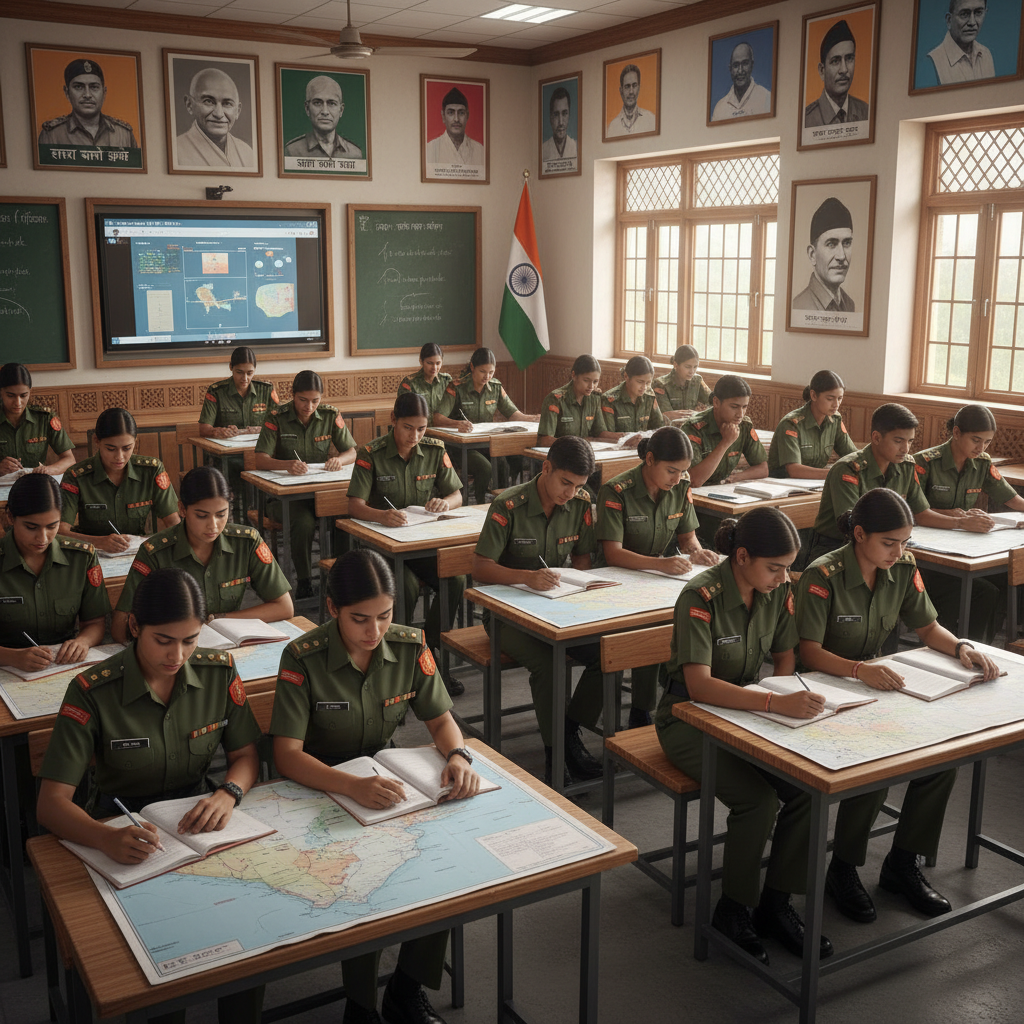
Explore how to effectively signal confidence in the Word Association Test (WAT) while avoiding overcompensation. Essential strategies, key distinctions, and key takeaways for success are covered.
WAT Part 2: Words That Signal Confidence vs. Overcompensation
Introduction
The Word Association Test (WAT) is a pivotal component in the selection process for candidates eager to join the Indian Defence Forces. This psychological assessment not only measures how candidates think and respond under pressure but also provides profound insights into their personality traits. In this guide, we will explore the differences between words that signal confidence versus those that suggest overcompensation during the WAT, helping you understand how various associations can influence your performance.
Understanding the WAT Framework
The WAT process involves presenting a word, and candidates must articulate their immediate associations within a time limit. The words chosen in this test are purposefully designed to elicit a variety of thoughts, emotions, and reflections. Recognizing the underlying significance of these associations can significantly impact the outcome of your responses. For more insight on WAT, check out our WAT: The Hidden Word Categories That Signal Officer Thinking.
Confidence vs. Overcompensation
-
Confidence: This quality denotes a secure understanding of oneself paired with a positive attitude toward challenges. Words associated with confidence often include supportive and proactive terms. For instance:
- Leadership
- Success
- Courage
-
Overcompensation: In contrast, overcompensation can reveal insecurities or an exaggerated effort to project certain traits. Words linked to overcompensation may indicate negativity or excessive bravado. Examples include:
- Perfectionism
- Control
- Domination
Sample Word List
To assist you in your preparation, here’s a list of indicative words that may emerge in the WAT, categorized by themes of Confidence and Overcompensation:
| Confidence | Overcompensation |
|---|---|
| Leadership | Arrogance |
| Teamwork | Manipulation |
| Integrity | Obsession |
| Empathy | Superiority |
| Resilience | Fear |
Understanding these contextual meanings is crucial for refining your responses to indicate more favorable associations.
Strategies to Signal Confidence
To succeed at WAT, implement these strategies that effectively reflect confidence:
- Quick Associations: Trust your instincts. Immediate, instinctive responses often reveal authentic emotions and thoughts aligned with your character.
- Positive Framing: Always strive to present your associations positively. For example, instead of associating failure with defeat, view it as a stepping stone towards success. This approach links directly to the principles of effective SSB interview coaching.
- Purposeful Responses: Opt for associations that showcase the image of a confident and resilient individual. Focus on terms that highlight teamwork, leadership, and perseverance rather than self-doubt or aggression.
Common Mistakes to Avoid
Awareness of potential pitfalls enhances your performance during the WAT:
- Overanalyzing: Spending excessive time thinking about your response can lead to confusion. Trust your gut reaction, as it reflects your true self.
- Negativity: Even when encountering challenging words, aim to associate them with positive outcomes or learning opportunities.
- Contradictory Responses: Maintain consistency throughout the test. Mixed signals can raise concerns about your reliability and seriousness.
Effective Study and Practice Plan
Creating a structured study plan is essential for enhancing your WAT responses:
- Daily Foundations: Dedicate time each day to practice word associations, starting with familiar terms and gradually introducing more complex words.
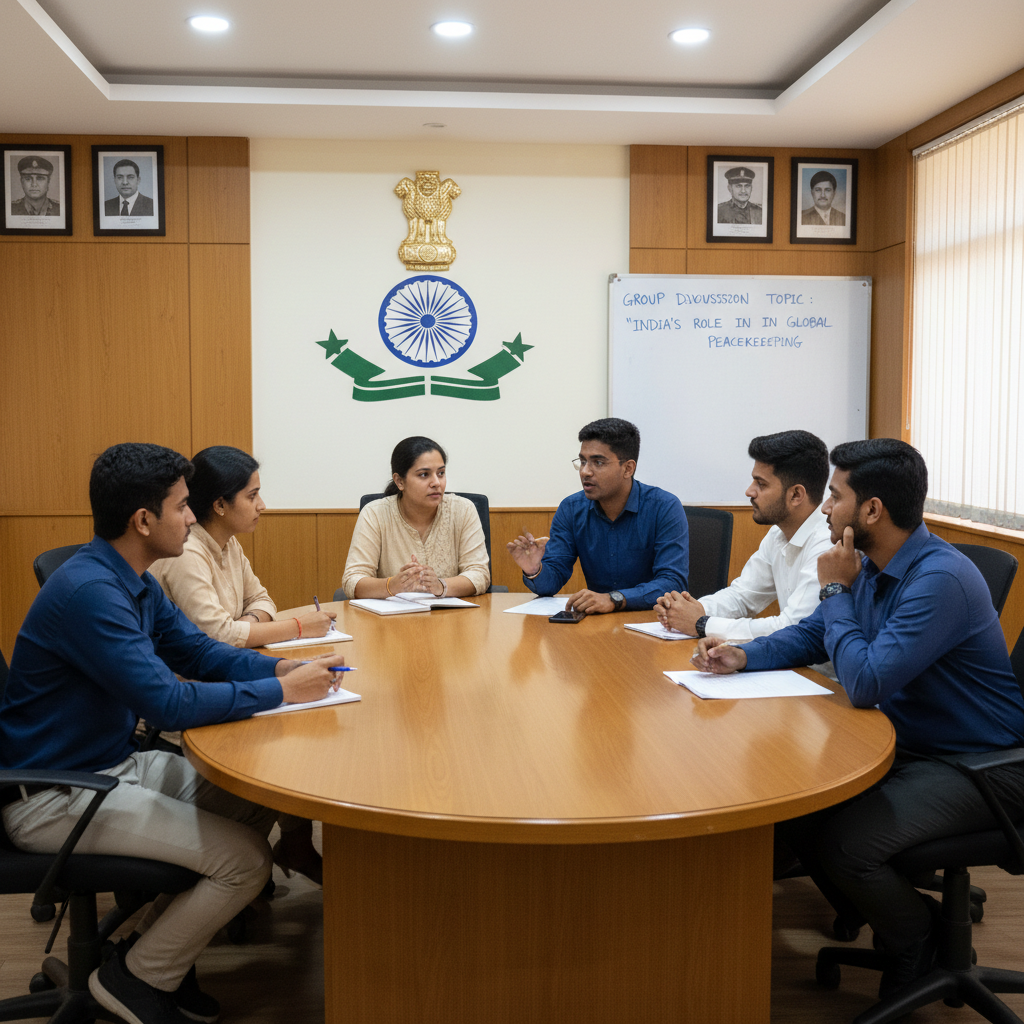
- Peer Group Discussions: Engage with fellow aspirants to exchange perspectives on word associations. This exposure will broaden your understanding and refine your thought process, essential for your overall GTO performance.
- Mock Tests: Regularly simulate the WAT environment. Time yourself to improve speed and confidence under pressure.
- Self-Evaluation: Reflect on your responses after practice sessions. Identify words that elicit positive associations and evaluate those that may require a reassessment of your thought patterns.
Recommended Resources
Enhance your preparation with the following resources:
- Books specifically targeting WAT preparation that emphasize positive psychology.
- Online Platforms providing mock tests and real-time feedback on your responses.
- Consider forming study groups to collaboratively discuss word associations and practice together.
Key Highlights
- 📌 Core Focus: Understand the distinctions between confidence and overcompensation within your WAT responses.
- ⚡ Positive Strategies: Always aim for positive associations that reflect comprehensive personality traits.
- 🎯 Consistency is Key: Ensure coherence in your answers throughout the test to present a unified image of your personality.
Key Takeaways
- Confidence in your associations demonstrates self-assuredness and positive characteristics, while overcompensation can indicate underlying insecurities.
- Trusting your instincts, practicing positivity, and maintaining consistent responses is critical for excelling in the WAT.
- Engage in regular structured practice—both through mock tests and peer discussions—to improve your ability to handle diverse word associations effectively.
FAQs
1. How can I distinguish between confidence and overcompensation in my WAT responses?
Focus on grounding your associations in positive traits that reflect security and collaboration. If an association leans towards aggression or extreme control, it may indicate overcompensation.
2. Are there specific practice resources for WAT preparation?
Yes, look for specialized WAT preparation books and online platforms that offer mock tests tailored for SSB aspirants. Consider strategies like peer discussions to enhance your practice.
3. How important is my initial reaction to a word during WAT?
Your first reaction is critical; it often reveals your true associations and thought process. It reflects authenticity, so try to answer quickly without overthinking.
4. Can I practice WAT with others?
Absolutely! Group discussions can help expose you to varied viewpoints and improve your associations through diverse interactions, making it easier to conceptualize responses.
5. What common mistakes should I avoid while answering in WAT?
Avoid overthinking, negative associations, and inconsistency in your responses. Strive for clarity and positivity to better convey your personality traits.
Final Summary
Mastering the WAT is essential for SSB success. By recognizing the differences between confidence and overcompensation, you can strategically tailor your responses to make a lasting impression. Engage consistently in practice and focus on crafting positive associations to excel.
Stay determined and ready to showcase your best qualities as you pursue your aspirations in the Indian Armed Forces!
📸 Visual Reference
Key Points to Remember
Most Important Topics
Familiarize with the top WAT words and their associations.
Quick Revision Formula
Use flashcards for rapid revision.
Exam Strategy
Trust your first instinct, aim for a positive association.
Do & Don't
Do stay positive; don't overthink your responses.
Expert Tip
Engage in discussions to enhance your thought process.
❓ Frequently Asked Questions
🚀 Revision & Motivation

Start Your Defence Journey Today
Preparing for the WAT is crucial for success in the SSB exams. By focusing on positive associations, effective strategies, and consistent practice, you can excel in this vital aspect of the selection process. Remember, each word is an opportunity to showcase your best self. Stay motivated and keep striving for your dream in the Indian Armed Forces!
Discover how to differentiate between confidence and overcompensation in WAT responses to optimize your performance.