TAT: How to Write Stories That Show Leadership, Not Heroism
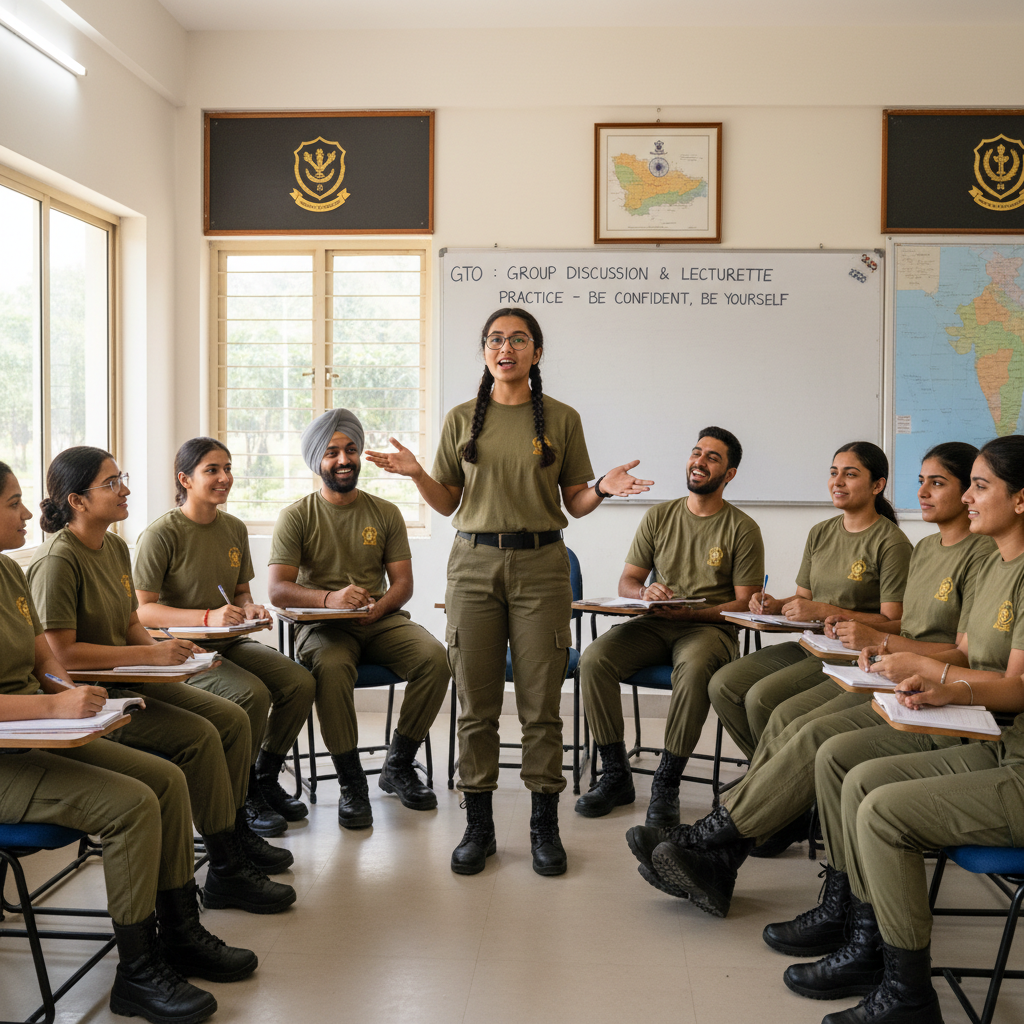
This article explores effective techniques for writing TAT stories that emphasize leadership qualities rather than heroism. Enhance your storytelling skills for the SSB selection process.
Introduction
The TAT (Thematic Apperception Test) is a pivotal component of the SSB selection process for defence aspirants in 2026. Writing compelling TAT stories that emphasize leadership qualities rather than heroism is essential for success. This article aims to guide you through effective techniques, strategies, and examples for mastering the TAT.
Quick Overview
To excel in TAT for SSB 2026, you must craft narratives based on visual prompts that showcase your leadership potential. Focus on character, motivation, and resolutions that reflect your ability to lead rather than simple acts of heroism. Practicing story writing can be beneficial, as discussed in our article on 60 WAT Words That Reveal Whether You Think Like an Officer.
What is TAT?
The Thematic Apperception Test (TAT) is a psychological assessment designed to evaluate an individual’s personality through storytelling. Candidates are shown ambiguous images and asked to create a story, which reveals their thought processes, emotions, and personality traits. In the SSB context, the TAT serves as a tool to assess critical competencies including leadership, creativity, and emotional intelligence. Understanding how assessors evaluate candidates during this process can be crucial, so refer to What Assessors Actually Watch During Your GTO Performance for additional insights.
Why Does TAT Matter?
The TAT is crucial for defence aspirants because it:
- Evaluates Leadership Qualities: Shows how candidates handle authority and inspire others.
- Demonstrates Critical Thinking: Assesses problem-solving abilities in various scenarios.
- Reflects Emotional Resilience: Reveals how candidates cope with challenges and pressure.
- Provides Insights into Values: Offers assessors a view of the personal motivations and ethical frameworks of candidates. For deeper analysis of what assessors seek, consider reviewing our guide on 15 OLQ Signals Assessors Read in You Before You Speak.
Key Concepts of TAT
TAT Structure
- Images: Candidates interpret dynamic scenarios needing resolution.
- Story Development: Begin with a setting, introduce characters and conflict, and conclude with a resolution.
- Length: Most stories should be 3-4 paragraphs long.
Key Elements of a TAT Story
- Characters: Interesting and well-rounded characters enhance engagement.
- Setting: Provides context to the narrative and contributes to the mood.
- Conflict: A critical challenge that drives the plot.
- Resolution: A logical and satisfying conclusion that emphasizes leadership. For more on crafting effective stories, check our article on TAT Stories: What Leadership Looks Like vs. What Heroism Looks Like.
Common Themes in TAT
While crafting stories for TAT, focus on common themes that emphasize leadership:
- Leadership in Crisis: Addressing a conflict head-on and guiding others.
- Collaboration: Working with others to achieve common goals.
- Moral Dilemmas: Making difficult choices that reflect values and principles.
- Innovation: Using creative solutions to meet challenges.
Examples of Typical TAT Images
- Team dynamics in challenging situations.
- Community intervention scenes, such as disaster relief efforts.
- Personal reflections of struggle versus societal expectations.
- Nature scenes reflecting inner challenges or growth.
Preparation Strategy
- Understand the Test Format: Familiarize yourself with the different types of images and their interpretations. For a comprehensive overview, refer to our guide on TAT: The Stage and Its Importance for Defence Aspirants.
- Practice Story Writing: Regularly write narratives based on diverse image prompts to develop flexibility in storytelling.
- Seek Feedback: Engage peers or mentors to review your stories and provide constructive criticism.
- Analyze Sample Stories: Examine successful narratives to understand their effectiveness and style.
Short Tricks for Effective Writing
- Five W's Framework: Who, What, Where, When, and Why to ensure all essential story elements are covered.
- Mind Mapping: Visualize the relationships between characters and plot points to organize your narrative flow.
- Keywords: Use leadership and personal development keywords to align your story with SSB requirements.
Study Plan for TAT
Weekly Schedule
- Days 1-3: Practice developing stories from a variety of prompts.
- Days 4-5: Review your stories, focusing on improving weak areas.
- Days 6-7: Conduct timed writing practices to manage writing under exam conditions.
Daily Routine
- Morning: 30 minutes for brainstorming and outlining ideas.
- Afternoon: 1 hour of focused story writing.
- Evening: Review and reflect on stories; incorporate feedback received.
Exam Strategy
- Time Management: Allocate approximately 15 minutes per story; practice condensing ideas into concise narratives. This technique is beneficial as you prepare for the SSB interview.
- Clarity Over Complexity: Ensure your narrative remains clear and focused rather than overly complicated.
Common Mistakes to Avoid
- Overlooking Visual Cues: Failing to connect the story with the image presented can lead to disjointed narratives.
- Neglecting Conflict Development: A lack of strong conflict can make stories less engaging and impactful.
- Excess Complexity: Aim for clarity; overly intricate plots can detract from core messages.
Expert Tips
“Be consistent with character actions and motivations; this enhances relatability and impact in your storytelling.”
SSB Interview Preparation
Preparing for the TAT is vital as it influences your overall SSB assessment scores. Continuous practice, introspection, and receiving feedback will be your key allies in this journey towards successful storytelling.
Key Takeaways
- Focus on leadership qualities rather than heroism in your narratives.
- Develop story outlines that emphasize conflict resolution and character development.
- Regularly practice and seek constructive feedback to enhance storytelling skills.
- Understand the TAT structure to craft effective stories within time constraints.
FAQs
1. What is the purpose of TAT in SSB?
Answer: TAT aims to evaluate candidates’ personalities and leadership skills through storytelling based on visual prompts.
2. How can I enhance my TAT writing skills?
Answer: Engage in regular practice, seek peer reviews, and analyze successful stories to improve your narrative style.
3. What aspects should my TAT focus on?
Answer: Emphasize character depth, conflict resolution, and leadership qualities that reflect your understanding of teamwork and responsibility.
4. Why is story clarity important in TAT?
Answer: Clear narratives are essential for conveying your thoughts effectively, allowing assessors to grasp your leadership potential.
5. How long should my TAT story be?
Answer: Aim for a length of 3-4 paragraphs to ensure a concise yet comprehensive narrative.
6. Can I use personal experiences in my stories?
Answer: Yes, incorporating relatable experiences can enrich your narrative and add authenticity.
Conclusion
Mastering TAT stories that highlight leadership over heroism requires consistent practice and reflective thinking. Use this guide as a resource to refine your writing skills and embrace the creativity necessary to succeed in your SSB journey. Each story crafted brings you closer to your dream of serving in the Indian Armed Forces.
📸 Visual Reference

Key Points to Remember
Most Important Topics
Understand the significance of TAT and practice with diverse examples.
Quick Revision Formula
Five W's technique helps structure your stories effectively.
Exam Strategy
Manage your writing time and ensure clarity.
Do and Don't
Do engage characters; Don't overcomplicate your narratives.
Expert Tip
Keep stories relatable by connecting with universal human emotions.
❓ Frequently Asked Questions
🚀 Revision & Motivation

Start Your Defence Journey Today
Embrace the challenge of TAT story writing with confidence and creativity. With dedication and the right strategies, you are equipped to conquer SSB 2026 and achieve your defence dreams.
Learn how to craft impactful TAT stories that showcase leadership qualities for SSB 2026. Comprehensive tips, strategies, and examples included.