Inside the Mess: 7 Customs Every Officer Learns the Hard Way
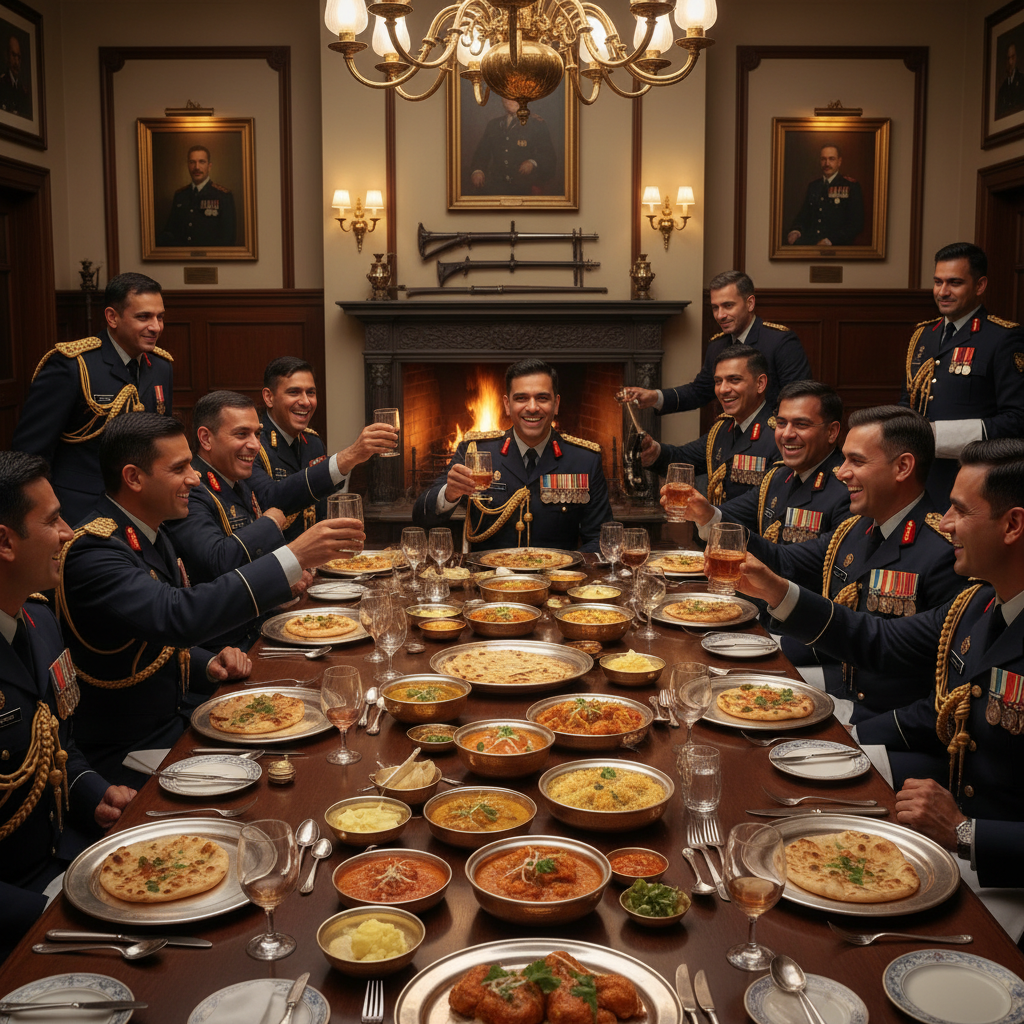
Explore the essential customs of the Indian military officer mess that shape camaraderie and discipline. Learn about etiquette, cultural events, and why these traditions matter for defense aspirants.
Inside the Mess: 7 Customs Every Officer Learns the Hard Way
Introduction
Officer Mess Traditions are central to the ethos and camaraderie of Indian military officers. For defense aspirants, understanding these traditions can be pivotal, offering insights not just into military culture but also into the leadership qualities expected from officers. In this article, we will explore seven essential customs every officer learns the hard way, backed by historical context and practical guidance. For further insights, check out our article on Officer Mess Traditions That Still Intimidate New Cadets.
What Is Officer Mess Tradition?
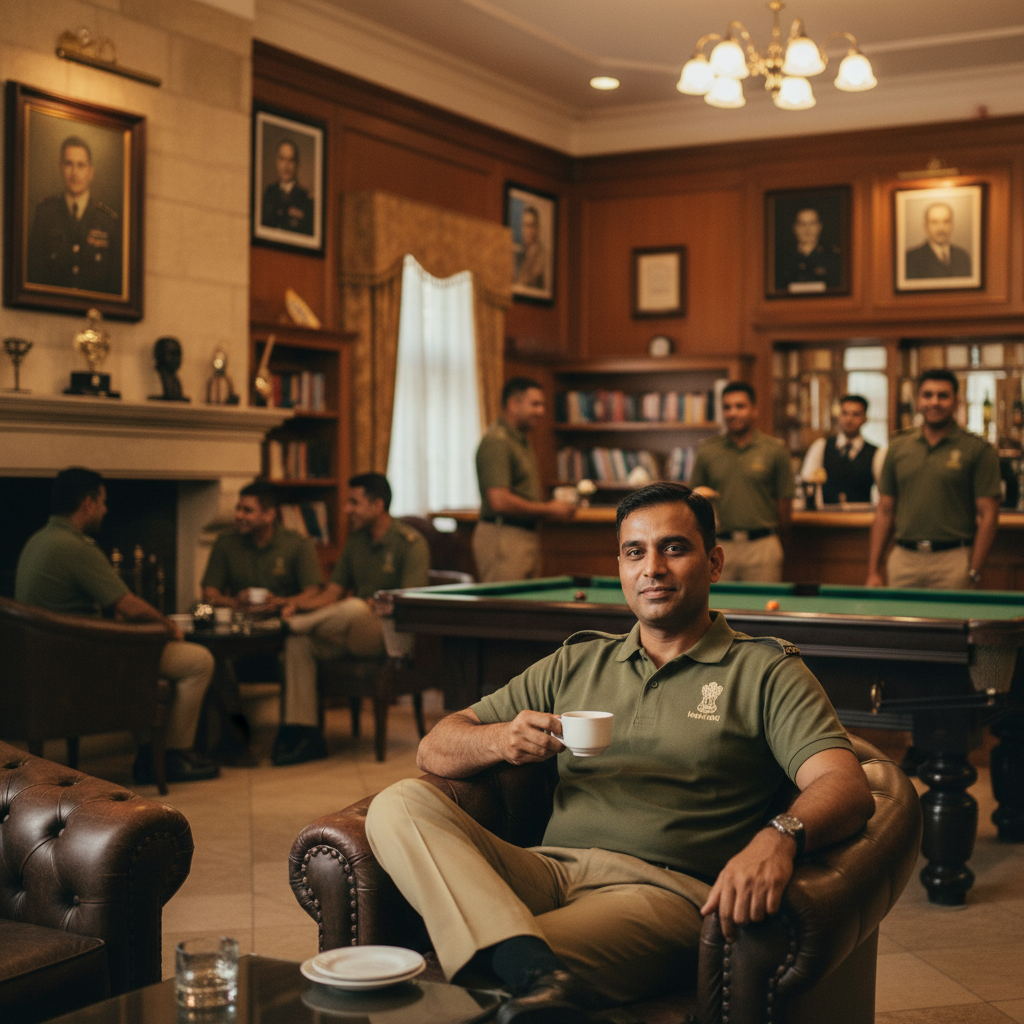
An Officer Mess serves as a dedicated dining facility for commissioned officers, distinguishing military personnel from other ranks. The customs associated with the mess include formal dining protocols, rank-related interactions, and various social events. These practices are designed to build a strong sense of community and instill essential values such as discipline, respect, and teamwork, reminiscent of the leadership traits vital for the SSB interview.
Why Mess Traditions Matter
For defense aspirants, familiarity with Officer Mess Traditions can provide several strategic advantages:
- Cultural Insight: Understanding military ethos and behaviors.
- Networking Opportunities: Building relationships with peers and mentors.
- Leadership Development: Cultivating essential skills that are crucial for defense exams and SSB interviews. This development can be further explored in our guide on CDS for Working Professionals: The Realistic Prep Schedule.
Key Customs in the Officer Mess
Here are seven customs every officer learns and experiences:
1. Formal Dinners and Protocols
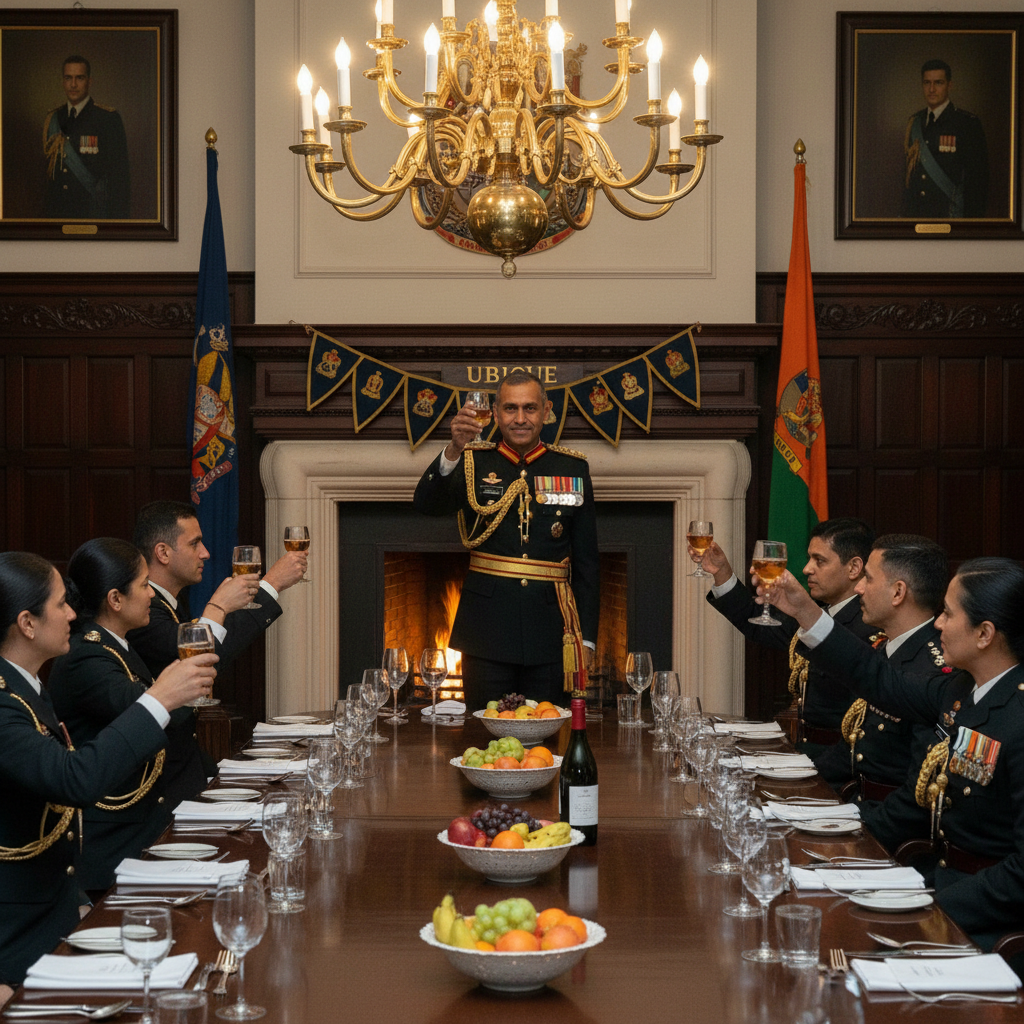
During formal dinner events, the strict rules of etiquette and dress codes come into play. Officers are expected to:
- Dress impeccably according to the standards of their respective branches (Army, Navy, Air Force).
- Follow a seating arrangement based on rank, emphasizing respect and hierarchy.
2. Mess Rules and Discipline
The mess is a training ground for officers where specific traditions govern behavior:
- Following mess etiquette: adherence to formal dining etiquette.
- Understanding and respecting seniority during meal times and conversations.
3. Camaraderie Building
Mess gatherings serve as a vital platform for establishing friendships:
- Regular informal events strengthen bonds among officers.
- Social interactions promote team spirit and enhance collaborative skills.
4. Cultural Events
Mess events often celebrate festivals and significant cultural milestones, fostering unit spirit. Examples include:
- Diwali and Eid celebrations, where officers share traditional meals and festivities, enhancing morale and unity.
5. Mentorship and Guidance
Senior officers often share valuable insights and experiences during mess gatherings, setting the tone for:
- Professional growth through direct interactions and discussions.
- Learning from respective roles within the military hierarchy, which is crucial for those aiming for positions in AFCAT coaching.
6. Historical Significance
Understanding the evolution of mess traditions in the Indian Military is crucial. Each custom has historical roots and conveys a rich legacy of discipline and honor. Extract some facts about:
- The origin of specific customs from the colonial era to contemporary practices.
- How historical events have shaped present-day protocols, similar to the insights found in our article on What 5 Years of AFCAT Cut-Offs Reveal About Your Selection Odds.
7. Social Responsibility
Officers often engage in community service and outreach, enhancing their understanding of social accountability. Activities can include:
- Fundraisers organized through the mess for local charities.
- Volunteering efforts that reflect the principles of service beyond self.
Decision Guide: Adapting to Mess Culture
To better prepare for your future role, consider the following actionable strategies:
- Research: Investigate the history and customs surrounding officer mess culture through books or military journals.
- Engagement: Connect with current or retired officers. Their first-hand experiences can provide valuable insights.
- Practice Etiquette: Get accustomed to formal dining etiquette by attending similar gatherings.
- Participate in Events: Volunteer or attend military social events, even as an observer, to understand the dynamics.
- Simulation: Join mock mess sessions to practice dining and social etiquette.
Checklists and Common Mistakes
Etiquette Checklist
- Formal attire according to military standards.
- Knowledge of seating arrangements based on rank.
- Ability to engage respectfully with senior officers.
Common Mistakes to Avoid
- Ignoring Protocol: Not adhering to established norms can lead to negative reputations.
- Lack of Historical Understanding: Disregarding the origins of certain customs might lead to inappropriate or confusing behavior in conversations.
- Missed Networking Opportunities: Failure to connect with peers could hinder your professional growth.
Expert Tips
Attend various officer mess events and actively participate to observe military norms in practice.
Remember to respect the hierarchy and protocols in the mess; this reflects your professionalism and character.
SSB Interview Preparation
Knowledge of officer mess traditions can give you a significant edge in the SSB interview. Interviewers often look for candidates who demonstrate an understanding of military culture. Familiarizing yourself with these customs can help you convey your suitability for a military career, making you a more compelling candidate.
FAQs
What is the significance of the Officer Mess in the Indian Military?
The Officer Mess is crucial for community bonding and serves as a platform for formal interactions.
How do dining protocols work in an Officer Mess?
Dining protocols involve formal dress codes, seating arrangements based on rank, and specific dining etiquette.
Can civilians attend Officer Mess events?
Typically, Officer Mess events are restricted to officers, but some may permit civilian attendance at the discretion of the management.
What is the importance of camaraderie in the Officer Mess?
Camaraderie fosters teamwork, enhancing the effectiveness of officers in their duties.
Are there any annual traditions in Indian Military messes?
Yes, many messes celebrate anniversaries and cultural festivals, enhancing morale and cultural understanding.
Key Takeaways
Understanding the customs of the Officer Mess significantly contributes to your military integration. Engaging actively in these traditions develops essential leadership skills, fosters camaraderie, and prepares you for the responsibilities of being an officer in the Indian Armed Forces. Embrace these customs to enrich your military journey and broaden your professional network.
As you navigate your path toward a defense career, remember that the traditions of the Officer Mess are not just rituals but stepping stones toward effective leadership and lasting bonds. Keep studying these principles for a successful journey ahead!
📸 Visual Reference
Key Points to Remember
Most Important Topics
Understand key traditions and their relevance in shaping officer’s life.
Quick Revision Formula
Use mnemonic devices to remember mess protocols.
Exam Strategy
Focus on themes related to military etiquette and tradition.
Do and Don't
Respect hierarchy and engage fully in mess events.
Expert Tip
Interact with current officers to gain insights into mess life.
❓ Frequently Asked Questions
🚀 Revision & Motivation
Start Your Defence Journey Today
As you embark on your journey toward a career in the Indian military, embrace Officer Mess Traditions to enhance your understanding of military culture and build meaningful connections. Stay focused and committed, as your aspirations will lead you to success!
Discover seven vital customs of the officer mess that shape discipline and camaraderie among Indian military officers. Essential insights for aspirants.