Command Task: What the Assessor Is Actually Testing in You
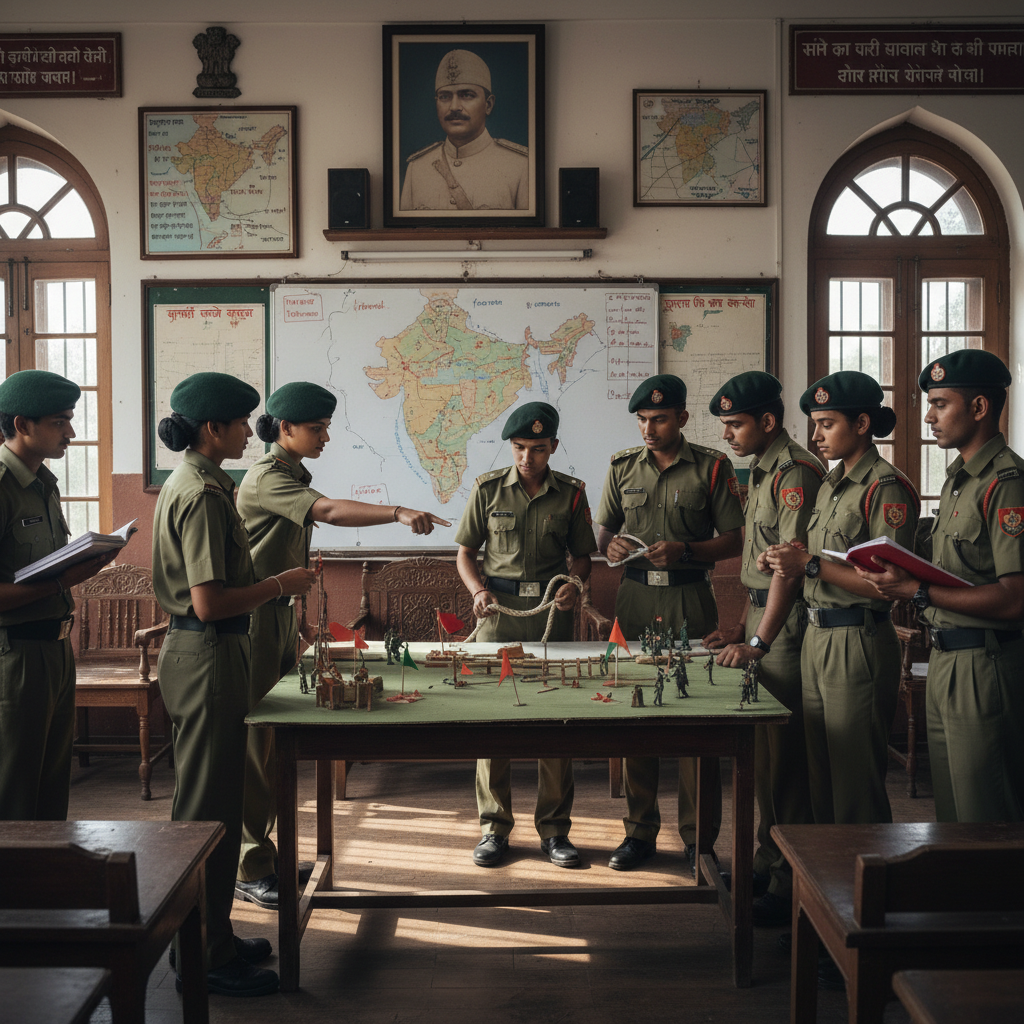
This guide provides an in-depth understanding of what assessors are looking for during the Command Task in SSB interviews, including strategies, common mistakes, and preparation tips.
Command Task: What the Assessor Is Actually Testing in You
Introduction
The Command Task during the SSB (Service Selection Board) interviews is not just an exercise in completing tasks; it's a comprehensive evaluation of your leadership skills, decision-making abilities, and teamwork under pressure. It reflects how well you can manage a group, delegate responsibilities, and navigate interpersonal dynamics. Understanding what assessors are looking for is crucial for showcasing your capabilities effectively in 2026 and beyond. For an in-depth look at the process, refer to our guide on SSB 5-Day Process: What Actually Happens at Each Stage.
What Assessors Evaluate in Command Tasks
Command Tasks are designed to test a range of competencies:
- Leadership Abilities: Your capacity to lead a team is the most significant aspect being evaluated. How you articulate your vision, engage others, and motivate your team counts. Furthermore, it's important to understand 15 OLQ Signals Assessors Read in You Before You Speak since these qualities can play a large role in how you are perceived during the task.
- Team Dynamics: Assessors are keen observers of how you interact with group members. They note whether you value others' inputs and foster inclusivity or if you dominate discussions. This aspect ties closely into What Assessors Actually Watch During Your GTO Performance as well.
- Decision-Making Skills: Quick and effective decision-making is essential. You must demonstrate the ability to make sound decisions while under pressure. Many candidates stumble here, and learning about The GTO Tasks Where Candidates Quietly Lose 30% of Their Score can provide valuable insight.
- Communication Proficiency: Clear and concise communication is crucial. How you relay your ideas and ensure understanding among team members is monitored closely.
- Adaptability: The ability to adapt is tested through unexpected changes in task requirements. Your flexibility in approach shows your readiness for the unpredictable nature of military operations.
Key Concepts / Important Topics
Understanding critical concepts related to Command Tasks is vital for success:
- Role Definition: Grasping your role clearly as a leader and team member helps maintain focus.
- Task Objectives: Comprehending the goals of the task ensures effective alignment of efforts.
- Time Management: Managing the limited time effectively is essential for task completion.
- Effective Communication: Articulating your ideas clearly enhances teamwork.
- Problem Solving: Rapidly analyzing situations and developing solutions is crucial.
Command Task Execution Strategies
Implementing effective strategies can significantly enhance your Command Task performance:
Strategy Overview
| Strategy | Description |
|---|---|
| Observe Before Participating | Assess the team's dynamics before contributing your ideas. |
| Establish a Clear Plan | Formulate a straightforward plan that is easy to convey. |
| Delegate Responsibilities | Assign tasks according to team members' strengths. |
| Encourage Team Participation | Foster an environment where all voices are heard. |
| Stay Calm Under Pressure | Maintain composure to demonstrate effective leadership. |
Common Mistakes to Avoid
- Overtly Dominating Leadership: Taking control without consulting your team can lead to resistance.
- Ignoring Team Inputs: Failing to listen to suggestions may overlook valuable insights and lower team morale.
- Poor Time Management: Allowing discussions to drag can hinder timely task completion.
- Neglecting Individual Strengths: Overlooking the strengths of team members can lead to inefficiencies.
- Panic During Challenges: Stress can cloud judgment and result in poor decision-making.
Study Plan & Resources
Creating a focused study and practice plan is essential for effective preparation:
Study Plan Structure
- Weekly Study Schedule: Allocate specific days for practicing Command Tasks.
- Simulated Cases: Use real-life scenarios to practice and develop strategies. You might consider exploring our Command Task: The Leadership Signals You're Missing for deeper insights.
- Workshops: Actively participate in workshops focused on leadership.
- Mock Interviews: Conduct mock sessions to build confidence in real-time scenarios.
- Feedback Mechanism: After practice, seek feedback from experienced peers or mentors to identify growth areas.
Recommended Resources
- Books: Titles on leadership and effective communication.
- Blogs and Articles: Explore resources focusing on SSB preparation strategies.
- Video Tutorials: Use online platforms for demonstrations of command tasks.
Key Highlights
📌 Essential Topics: Leadership and team objective comprehension are crucial.
⚡ Quick Revision Tips: Remember to Observe, Plan, Delegate, Encourage, and Stay Calm.
🎯 Exam Strategy: Foster teamwork and clearly communicate your plan.
✅ Do's and Don'ts: Do encourage participation; Don't monopolize the conversation.
💡 Expert Insights: Post-practice analysis is key for continuous improvement.
Key Takeaways
- Understand Assessor Expectations: Recognize what assessors are looking for—leadership, teamwork, adaptability, and decision-making.
- Emphasize Communication: Your ability to communicate effectively can make or break your Command Task performance.
- Practice Strategically: Regular practice through role-playing scenarios and mock tasks is essential to build confidence.
- Foster Team Spirit: Always prioritize team dynamics and inclusivity.
FAQs
1. What specific skills are assessed during the Command Task?
Answer: Candidates are evaluated on leadership, teamwork, decision-making, communication, and adaptability.
2. How long does a typical Command Task take?
Answer: Each Command Task usually lasts between 20-30 minutes.
3. Can I improve my performance through practice?
Answer: Yes, practicing with peers and receiving feedback can significantly boost your performance.
4. Are Command Tasks stressful?
Answer: While they can be challenging, preparation can mitigate stress and enhance performance.
5. Where can I find resources for Command Task practice?
Answer: Online forums, preparation workshops, and recommended literature can provide valuable practice resources.
Conclusion
Success in SSB Command Tasks lies not just in task completion but in demonstrating effective leadership and collaboration. Understanding the assessor's expectations and engaging in diligent practice will set you apart. Embrace this learning journey and prepare confidently to excel!
Hero Images


Mid Images


Final Images


📸 Visual Reference
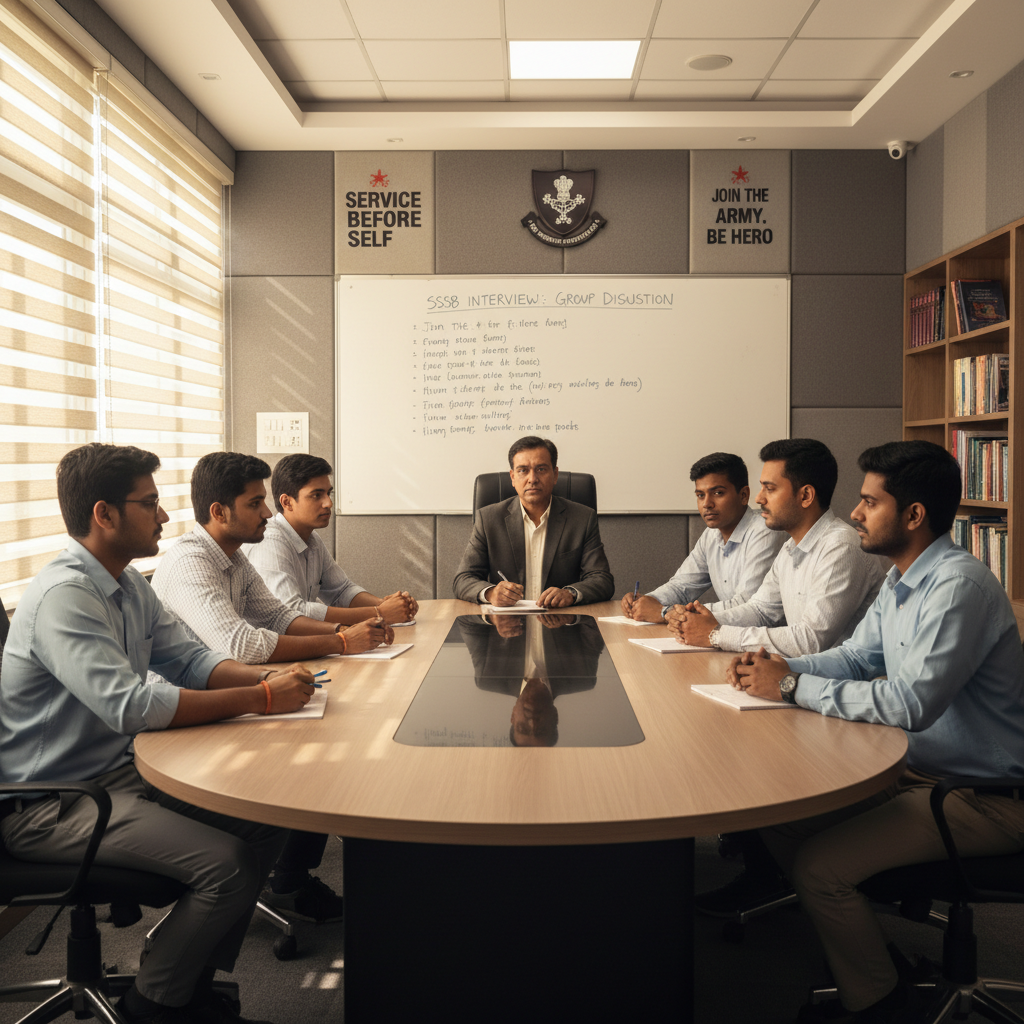
Key Points to Remember
Most Important Topics
Leadership roles and task objectives are essential.
Quick Revision Formula
Remember: Observe, Plan, Delegate, Encourage, and Stay Calm.
Exam Strategy
Maintain group cohesion and clearly communicate your vision.
Do & Don't
Do encourage team input; Don't dominate the conversation.
Expert Tip
Reflect and analyze post-practice tasks to gain insights.
❓ Frequently Asked Questions
🚀 Revision & Motivation
Start Your Defence Journey Today
Your journey towards success in the SSB command tasks begins with effective strategies and a positive mindset. Remember that preparation is key, and practice can set you apart from your peers. Embrace the challenge, and strive for excellence in every task!
Learn what assessors evaluate in Command Tasks during SSB and discover strategies to excel in leadership and teamwork.