After 12th PCM: Why Most Students Pick the Wrong Defence Exam
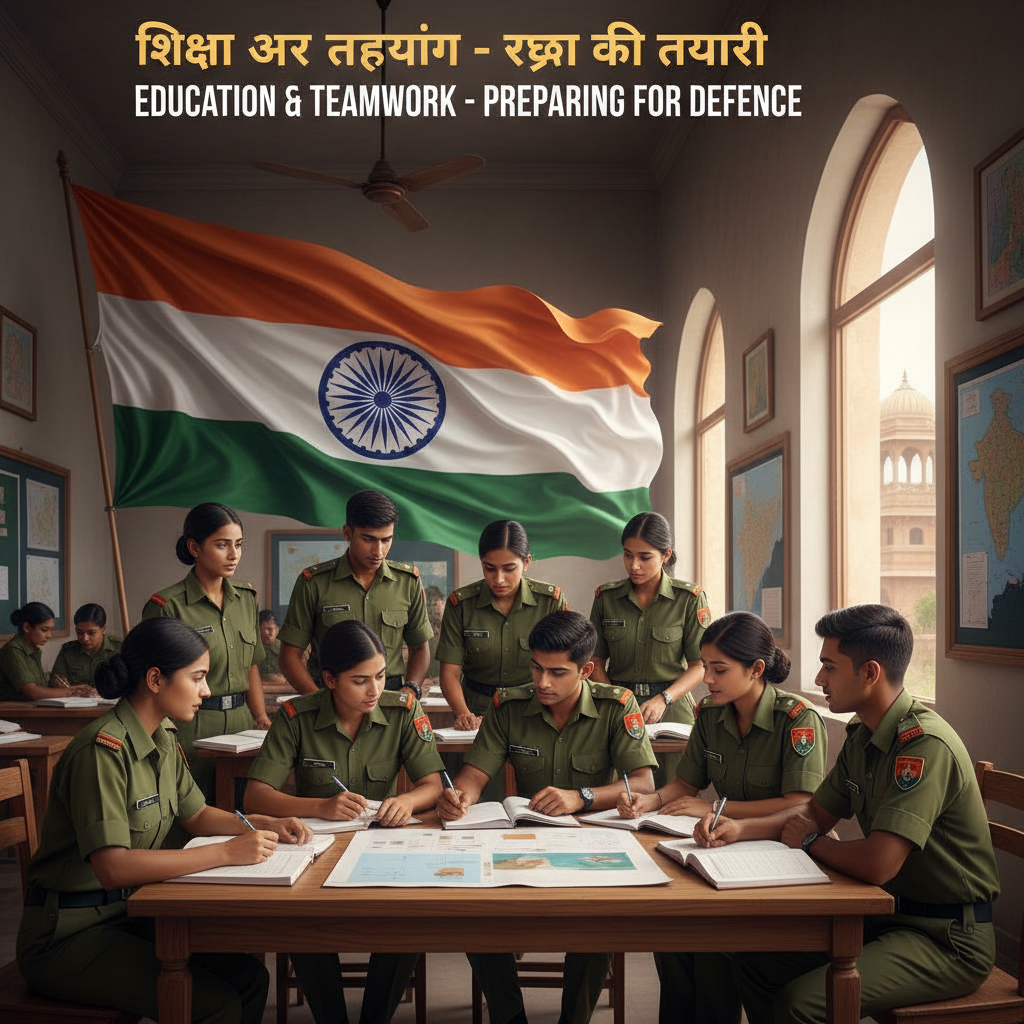
Choosing the right defence exam after 12th PCM is crucial for success. This guide helps you understand the options and make informed decisions, avoiding common pitfalls.
Introduction
For students who have completed their 12th grade with Physics, Chemistry, and Mathematics (PCM), numerous exciting career opportunities await in the Indian defence forces. However, many students often make a common mistake by selecting the wrong defence exam path. This comprehensive guide will help you understand the various defence exams available, focusing on aligning your aspirations with the most suitable examination after 12th PCM.
Overview of Defence Exams After 12th PCM
The following are the primary defence exams for 12th PCM students:
| Exam | Eligibility | Key Subjects | Remarks |
|---|---|---|---|
| National Defence Academy | 12th PCM with >= 60% | Mathematics, General Ability Test (GAT) | Gateway to Army, Navy, and Air Force |
| Technical Entry Scheme | 12th PCM with >= 70% (Engineering aspirants) | Mathematics, Physics | Direct entry into Indian Army (Technical) |
| AFCAT (Air Force Common Admission Test) | 12th PCM aspirants eligible for flying branch | General Awareness, Verbal Ability in English, Numerical Ability | Entry into Indian Air Force (all branches) |
| Navy - 10+2 B.Tech Entry | 12th PCM with >= 70% | Mathematics, Physics | Entry into Indian Navy (Engineering) |
Common Misconceptions
This leads us to a critical point—many students choose their exams based on hearsay or peer pressure without understanding the nuances of each entry route. Here’s a breakdown of some common misconceptions:
- NDA vs. TES: Many believe that NDA is the only route to a defence career, whereas TES is a perfect choice for engineering aspirants.
- AFCAT is only for Engineering Students: This is false; AFCAT is open to all 12th PCM students with the right qualifications.
- Physical Fitness is Irrelevant: Physical tests significantly impact your selection, making fitness a crucial component of your preparation.
Why Students Pick the Wrong Defence Exam
Several reasons contribute to students choosing the wrong exam:
- Lack of Awareness: Many students are unaware of the specific requirements and eligibility criteria for each exam, such as the variations in exam patterns and strategies.
- Peer Pressure: Friends or family may influence choices based on their own experiences or misconceptions.
- Misaligned Aspirations: Students might apply for an exam that does not align with their career goals and education background.
Steps to Choose the Right Defence Exam
To select the most suitable defence exam, consider these critical factors:
- Assess Your Strengths: Evaluate your performance in subjects like Maths and Physics and choose accordingly.
- Consider Your Career Goals: If you aspire for a technical role, options like TES or Navy B.Tech are ideal. If you want broader opportunities, NDA is more suitable.
- Evaluate Eligibility: Ensure you meet the eligibility criteria to avoid unnecessary efforts and disappointments.
- Understand Exam Patterns: Familiarize yourself with the syllabus and format of different exams to determine which aligns best with your skill set.
- Physical Condition: Consider the physical fitness requirements of the exam and assess your readiness to meet them.
Example Decision Matrix
Here’s a simplified decision matrix to help guide your choice:
| Criteria | NDA | TES | AFCAT | Navy B.Tech |
|---|---|---|---|---|
| Engineering Focus | No | Yes | Optional | Yes |
| Mathematics Requirement | Yes | Yes | Yes | Yes |
| General Ability Test | Yes | No | Yes | No |
| Physical Fitness Test | Yes | Yes | Yes | Yes |
Preparing for Your Chosen Exam
Once you’ve selected the right exam, preparation is key. Here are targeted strategies for each:
National Defence Academy (NDA)
- Focus Areas: Mathematics (Geometry, Trigonometry), GAT (English, General Knowledge).
- Books: NDA/NA Entrance Exam by Arihant.
- Practice: Regularly attempt mock tests focusing on time management. Consider joining our NDA coaching to get expert guidance.
Technical Entry Scheme (TES)
- Focus Areas: Physics and Mathematics as per JEE syllabus.
- Study Materials: NCERT and JEE preparatory books.
- Key Tip: Be well-versed in derivations and numerical problems.
AFCAT
- Focus Areas: General Awareness, Verbal Ability, and Numerical Ability.
- Recommended Resources: AFCAT preparation books and online courses.
- Practice: Use previous years' question papers for better understanding.
Navy - 10+2 B.Tech Entry
- Focus Areas: Emphasis on PCM fundamentals and technical knowledge.
- Key Resources: Engineering Mechanics and Technical Math books.
- Mock Tests: Prepare using past technical entrance questions.
Creating a Comprehensive Study Plan
A structured study plan will facilitate better preparation.
Daily Schedule
- 3 Hours: Mathematics practice (focus on problem-solving techniques).
- 2 Hours: Physics revision (conceptual clarity is critical).
- 1 Hour: Current Affairs and General Knowledge (stay updated).
- Regular Fitness Training: Include physical workouts.
Weekly Review Goals
- Cover one full syllabus cycle every week; tend to difficult hurdles.
- Take at least two mock tests per week to track your progress.
Key Takeaways
- Choose Wisely: Make an informed decision on the defence exam that resonates with your strengths and aspirations.
- Preparation Strategy: Use targeted study materials, stay consistent, and practice regularly to enhance performance.
- Physical Fitness is Paramount: Never overlook the importance of physical preparation for defence exams.
FAQs
-
What is the first step to joining the defence forces after 12th?
Start by researching the various exams available and assessing which aligns best with your educational background and career aspirations. -
Is the NDA exam difficult?
Difficulty varies by student; however, preparing with the right resources and consistent practice can significantly reduce the challenge. -
How can I stay motivated during preparation?
Setting small goals, engaging with peers, and maintaining a balanced lifestyle can help sustain motivation. -
What physical requirements should I be aware of?
Each exam has specific height and fitness criteria; regular physical training is essential to meet these standards. -
Should I pursue coaching for defence exams?
While coaching can provide structured guidance, self-study with quality resources is also effective depending on individual learning preferences.
Final Thoughts
Pursuing a career in defence is not only about academic success but also about aligning your personal aspirations with the right paths available. Evaluate meticulously, prepare diligently, and stay focused on your goals. Remember, with determination and the right strategy, your dream of serving in the Indian defence forces can become a reality.
📸 Visual Reference

Key Points to Remember
Most Important Topics
Focus on Mathematics, GAT, and Physics fundamentals.
Quick Revision Formula
Use visual aids like charts and notes for fast recall.
Exam Strategy
Time management and practice are keys to success.
Do & Don't
Do revisit basic concepts; don’t ignore physical training.
Expert Tip
Utilize free and paid resources judiciously for comprehensive preparation.
❓ Frequently Asked Questions
🚀 Revision & Motivation

Start Your Defence Journey Today
Pursuing a career in defence is a noble ambition. Stay focused, work hard, and embrace the journey of preparation. Your dream of joining the Indian defence forces can become a reality with determination and the right strategy.
Learn why many students select the wrong defence exam after 12th PCM and how to avoid common pitfalls for a successful career in the Indian Defence Forces.